
Sin categoría
Why I Trust (and Tweak) My Phantom Wallet Browser Extension
Whoa! My first thought when I tried Phantom was simple: this feels fast. It really does. But speed alone doesn’t cut it. Initially I thought it was just the UI, but then I noticed the tiny UX choices that matter when you move money—like quick token swaps, clear network indicators, and a sane permissions dialog. Honestly, something about that permissions screen made my instinct say, “Hold up.”
Okay, so check this out—Phantom is one of the most popular Solana wallet browser extensions. It’s lightweight, pretty responsive, and it fits right into the way I use web3 on Chrome and other Chromium browsers. Hmm… I remember setting it up late one night, caffeinated and wary, and almost skipping a security step (don’t do that). My gut told me somethin’ wasn’t right. So I slowed down and audited what I was granting to web apps—very very important.
Here’s how I think about installing and vetting any wallet extension. First, download from a trusted source. Second, confirm the publisher. Third, check the permissions. Fourth, seed phrase handling is sacred—never paste it into a website. On one hand that sounds obvious, though actually people still mess this up. Initially I thought copying the seed to my password manager was okay, but then I realized that if your password manager syncs to the cloud, you’ve introduced a new risk vector. So yeah—re-evaluate each convenience step.
Installing Phantom is straightforward. You go to the browser extension store or the official site, add the extension, create a new wallet or restore one with a seed, and then you’re off to the races. Seriously? It really can take less than five minutes. But wait—let me rephrase that: if you treat setup like a checklist and verify each step, you avoid dumb mistakes. Personally, I like to set a strong password for the local wallet file and then write the seed down on paper and store it somewhere safe (not the sock drawer, unless it’s a fireproof safe).
Downloading and verifying the extension
If you want to grab the extension, find it here and follow the prompts. That link led me through the steps I described above, and the pages were clear—though I wish there were more screenshots for first-timers. (oh, and by the way… always double-check the extension ID in the store if you’re paranoid.)
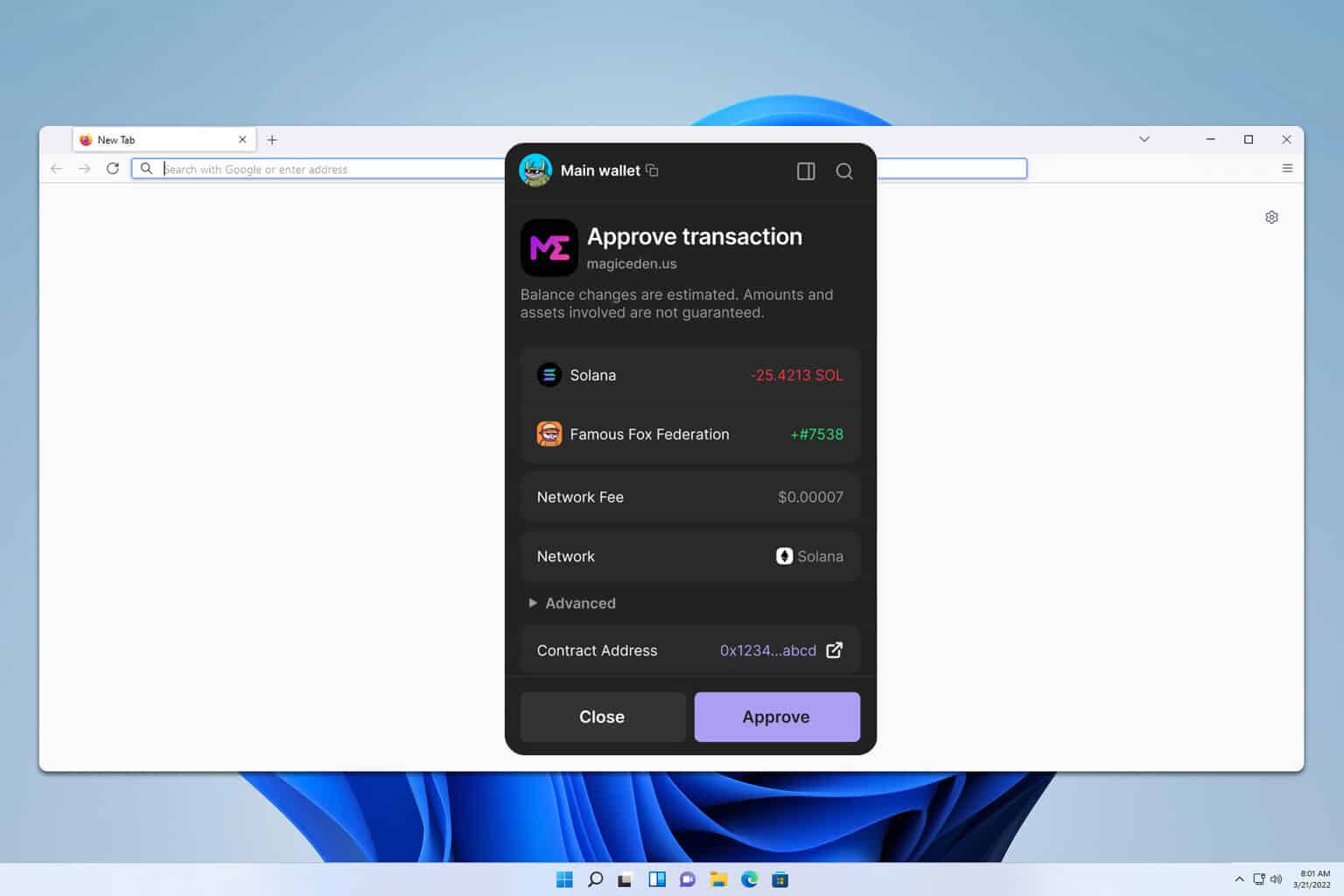
Now let’s talk permissions. When a dApp asks to connect, Phantom shows the permission request. It’s simple, but it’s also the crux of safety. You can accept a connection without approving transactions. Approve a transaction only after you read it. If a request looks odd, reject it. My rule: if I’m not 100% sure what a signed message does, I decline. I’m biased, but that approach has kept me from costly mistakes.
One thing bugs me about many guides: they focus on “how” and not “why.” So here’s the why in plain terms. Wallet extensions mediate between your browser and the blockchain. They hold private keys or seed phrases (locally, usually encrypted), they sign transactions, and they expose an interface to dApps. That middle layer is both convenient and the primary attack surface. On the other hand, a hardware wallet paired with a browser extension reduces exposure—though it adds friction. Trade-offs exist—choose the one that matches your risk tolerance.
Common hiccups and fixes. Extension doesn’t appear after install? Check chrome://extensions (or your browser’s equivalent) and ensure it’s enabled. Phantom not connecting to a site? Try toggling the dApp’s connection state and clearing site data. Transactions stuck or pending? Look at network congestion and fees; Solana is usually cheap, but mempool quirks happen. Also, if you ever see a wallet asking for your seed phrase—close the tab. Seriously, close it.
Personal anecdote: I once connected to a low-quality airdrop site and granted broad approvals. Oops. I noticed odd token activity and revoked access as soon as I could. That day taught me to periodically review connected sites and to use “view-only” accounts for testing. Something felt off about that airdrop page’s language and design—my instinct saved me. So, do periodic audits of your connected apps, especially after trying new dApps.
Security checklist I use, in short form: keep browser updated, use a hardware wallet for large holdings, never share seed phrases, verify extension sources, set strong passwords, and review connected dApps regularly. On more technical fronts, read the transaction payload before signing, and consider using segregated wallets for day-to-day versus long-term storage. Also, keep some SOL for gas—tiny oversight, easy pain.
Performance notes: Phantom tends to be snappy on my laptop. Though occasionally it’ll lag after heavy tabs open—so close some tabs if you see sluggishness. If you’re developing or testing, use a separate profile to avoid cross-site cookies and accidental approvals. I’m not 100% sure every tip covers all edge cases, but they cover 95% of the everyday pitfalls I’ve seen in the US web3 scene.
Frequently asked questions
Is the Phantom extension safe?
Short answer: mostly, if you follow good practices. Long answer: it’s considered reputable in the Solana ecosystem, but safety depends on how you use it. Keep your seed offline, audit dApp permissions, and prefer hardware wallets for large balances. My instinct: treat browser wallets like hot wallets—convenient but exposed.
Can I restore my Phantom wallet on another device?
Yes. Use your recovery phrase to restore the wallet in a new extension install. But be careful—restoring on a compromised device equals handing over your funds. If you’re restoring, verify the device is clean, use the official extension, and change any related passwords afterward.
